
Honest and raw review here. I received the retreat as a Mother’s Day gift from my family. At the time, I was feeling very overwhelmed…
Read the full review...
I see you. I see it every day. Smart, capable people who’ve given so much of themselves, that there’s nothing left for them. If that sounds familiar, you’re in the right place.
Start a Conversation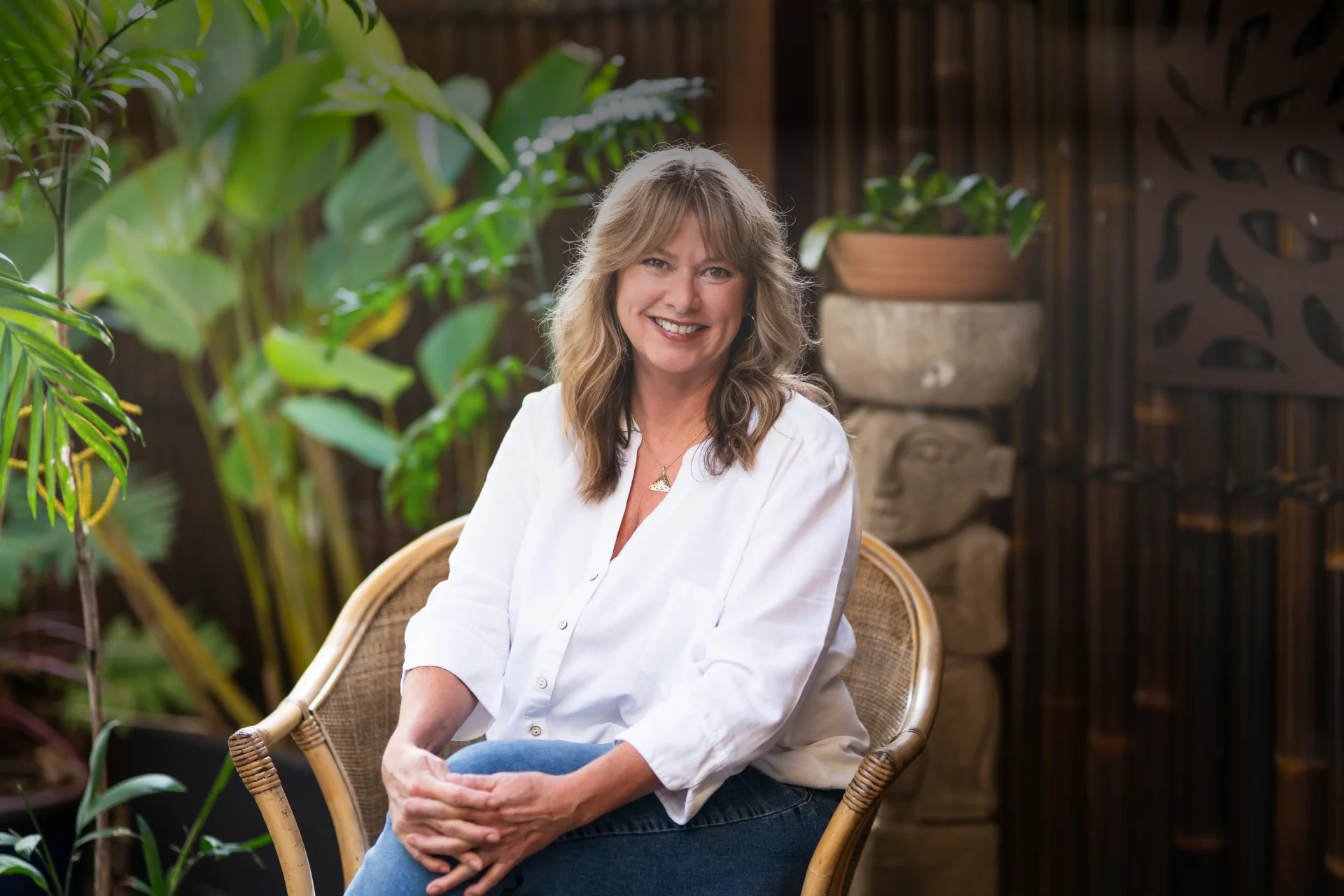
I created Every Level Wellness because I’ve been there too. After decades of studying human behaviour, caring for others and learning through life itself, I came to see that true wellbeing isn’t something to chase. It’s something we uncover when we slow down enough to notice.
Why I do what I do
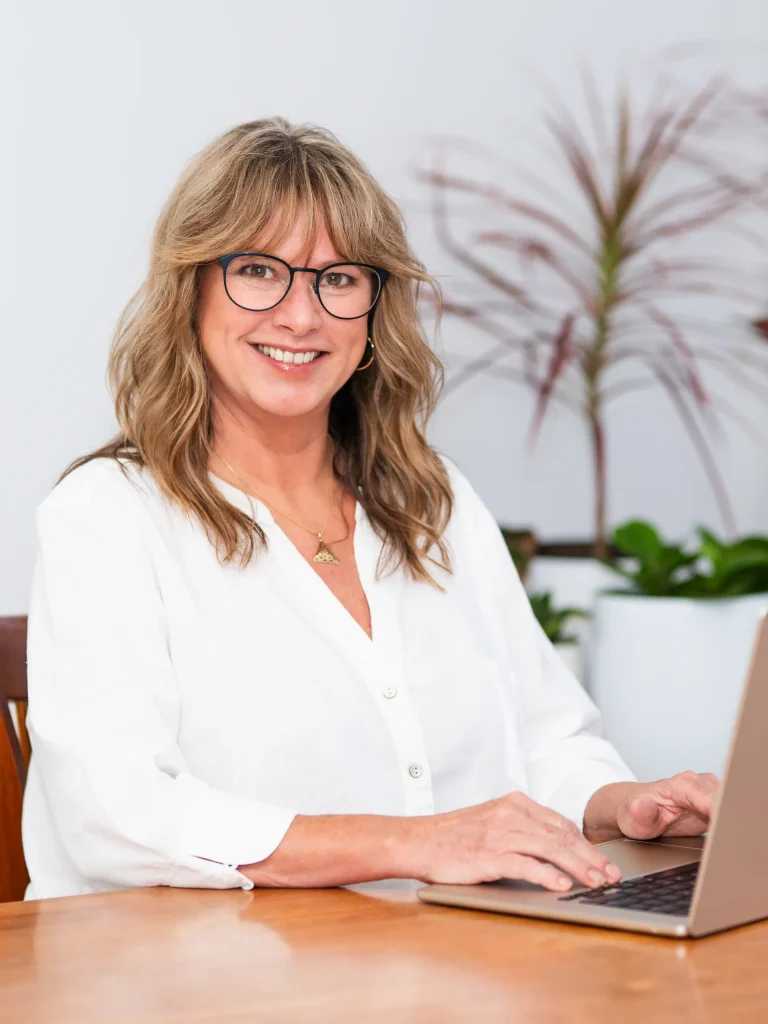
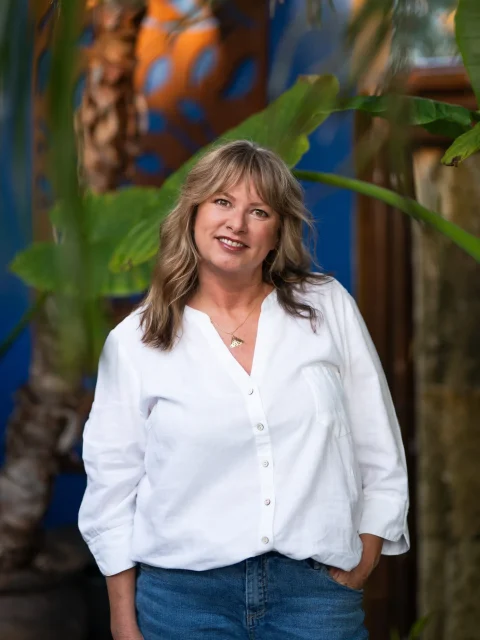
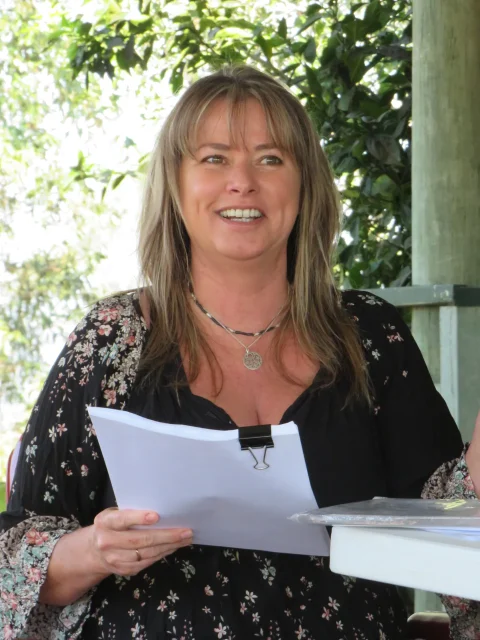
Counsellor, coach, and educator. I help people find presence, perspective, possibility when life feels messy.
I founded Every Level Wellness in 2017 to meet a clear need: more accessible, non-clinical mental health support that treats people as whole, capable, and resourceful.
Since then, we’ve supported hundreds of individuals and families through counselling, coaching, workshops, and retreats, always creating spaces where people can reconnect with their own resilience.
It’s the kind of support I wish had existed when I most needed it. The kind that is professional and respectful, but also warm, accessible, and genuinely human.
Whether you’re navigating change, loss, uncertainty, or simply wanting to reconnect with what matters, you’ll find a safe, calm space here to do just that.

















You can’t change what you can’t see. We start by noticing what’s really happening for you.
I love data and research, but I also trust intuition. Both matter.
You don’t need fixing. You need care, curiosity, and a bit of breathing space.
Everything we do together blends real-world psychology, mind-body science, and practical self-care. You’ll learn ways to manage stress, build awareness, and strengthen the connection between how you think, feel, and live.
No quick fixes, no empty promises, just steady support and strategies that fit your life, not someone else’s formula.
Because there’s no one right way, there’s your way.
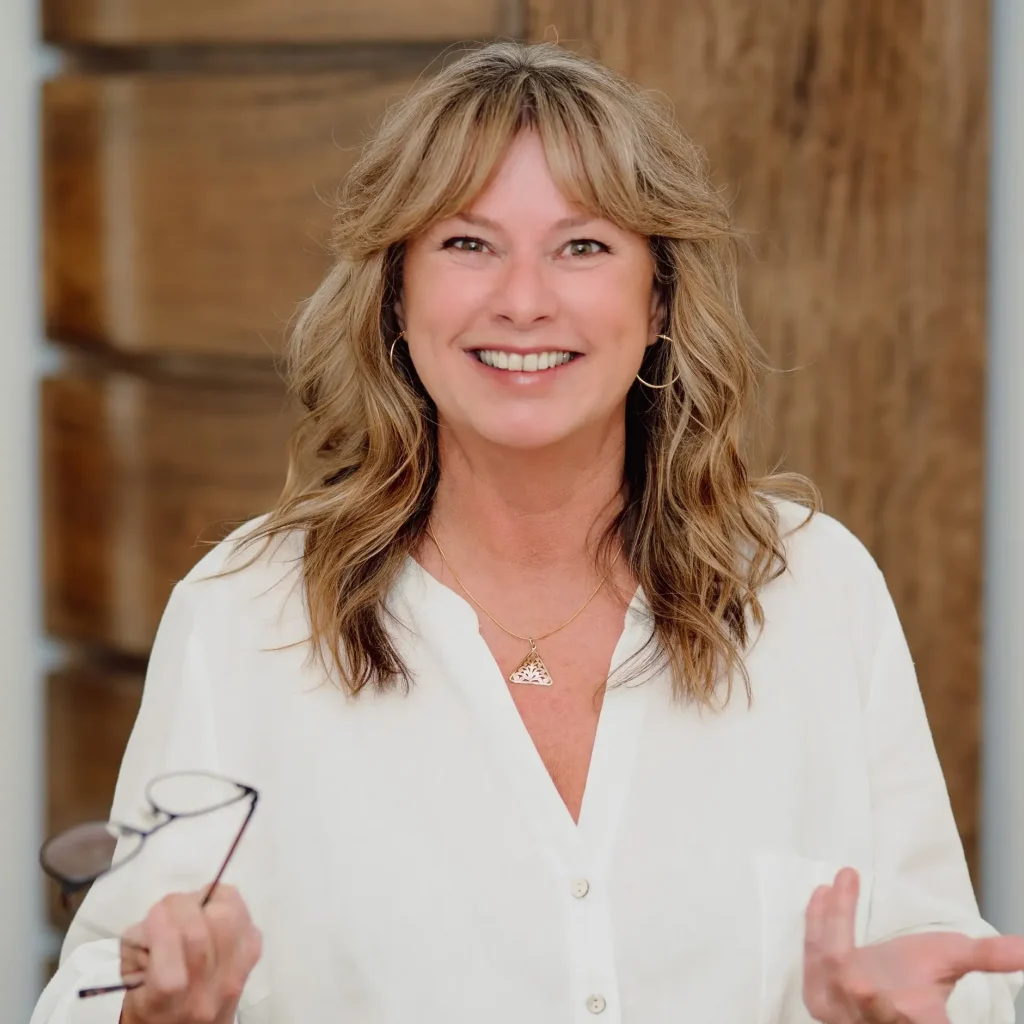
I’m a registered counsellor with the Australian Counselling Association, with qualifications in neuroscience, mental health and wellbeing education.
However, the deeper understanding I bring has grown from my own life experience. Experiences such as escaping domestic violence, sole parenting, full time caregiving, navigating grief … and even surviving a shipwreck.
Most of all, I have learned from the people I work with. Sitting in a room with another human has been my greatest teacher and inspiration. People carry so much more strength, wisdom and resilience than they may realise.
Honest and raw review here. I received the retreat as a Mother’s Day gift from my family. At the time, I was feeling very overwhelmed…
Read the full review...Kimberley brings warmth, clarity, and genuine care to every session. She is easy to talk to, really down‑to‑earth, and has a way of making you…
Read the full review...
I attended Kimberley’s ‘Every Level Wellness’ March retreat recently, it was fantastic. There was plenty of information leading up to the experience and I know…
Read the full review...
Kimberley has been my amazing coach and counsellor for the past four years. Due to the distance, we talk via telephone or video call and…
Read the full review...
I am a very private person & was very sceptical at first as not sure any of this would make a difference. Kimberley is very…
Read the full review...
The retreat by far exceeded my expectations for the weekend. Kimberley has a wealth of knowledge she shares as she teaches you strategies to relax…
Read the full review...
Here's the answer to the questions I get asked the most.
It’s conversational, thoughtful and purposeful. There may be moments of practical tools or reflection, but the heart of the work is insight, understanding and creating space for clarity.
Yes. Life isn’t static and support shouldn’t be either. Some clients begin needing steady emotional support and later shift into future planning or personal growth. Others come for clarity and discover deeper themes to gently explore. Our work adapts as you do.
The first session is simply a gentle starting point. We talk about what has brought you here, what feels most important right now, and what you hope might change. There’s no pressure to explain everything perfectly. You set the pace.
You don’t need to decide that before you begin. Counselling can offer a supportive space to process grief, anxiety, illness or life transitions. Coaching may feel more forward-focused and exploratory. Often our work naturally blends both. We begin with a conversation and shape the support around you.
A calm, respectful conversation focused on what matters to you right now, with practical strategies to help you move forward.
It can be either, or a blend. We start by understanding what you’re seeking, then tailor our sessions to suit your needs.
Many people find fortnightly sessions are the most effective. During times of increased stress, we may meet more regularly. As things settle, sessions can be spaced further apart. We can decide together what feels supportive and sustainable.
Sessions are typically 60 minutes, however I allow up to 90 minutes. Insight and meaningful conversation don’t always happen neatly on schedule, so I prefer to create space for what wants to unfold.
Yes, if you are plan-managed or NDIS-managed, you may be able to access counselling support through your NDIS plan. I’m happy to discuss this with you or your support coordinator.
Yes. Sessions are available via phone or secure video. Some clients prefer to be on camera, whilst others prefer voice only. We can work in whatever way feels most comfortable and accessible for you and change it each session, depending on how you’re feeling on the day.
Yes. Online sessions are available and popular for their convenience and comfort.
That’s completely okay. Sometimes clarity comes through conversation. You don’t need a perfectly-formed agenda, just a willingness to begin.
It doesn’t have to. Life rarely fits neatly into boxes. Support here is persoanlised and flexible. We focus on what matters to you, not on forcing your experience into a predefined service.
Yes. Carers often carry an enormous emotional load while trying to stay strong for others. This can be a place where you don’t have to hold it all together.
No. You don’t need a diagnosis, referral or formal label to begin. Many people simply feel overwhelmed, stuck, uncertain or quietly exhausted. That’s enough. Support is based on your lived experience, not on a label.
My work is grounded in counselling training and professional standards, while also being informed by a deeper understanding of how thought and awareness shape our experience. It’s practical, compassionate and human, not rigid, clinical or technique-heavy.
I’m part scientist, part seeker. I love research papers almost as much as I love discovering the mysteries of the universe. You could call me a thinking girl’s hippy, curious, grounded, and endlessly fascinated by what makes people tick.
I believe laughter is medicine, love solves most things, and a change in perspective can often be life changing. I believe we all deserve to live well, at every level, in every season.

Take the first step
Reaching out doesn’t have to be overwhelming.
The first step is simple: a conversation. We’ll talk about what’s happening for you, what you’d like for yourself, and what kind of support feels right.